Planning a destination wedding in France means bringing together a place, a group of people and a team of suppliers, often from another country. A clear order of decisions helps you keep the celebration personal while managing the practical details.
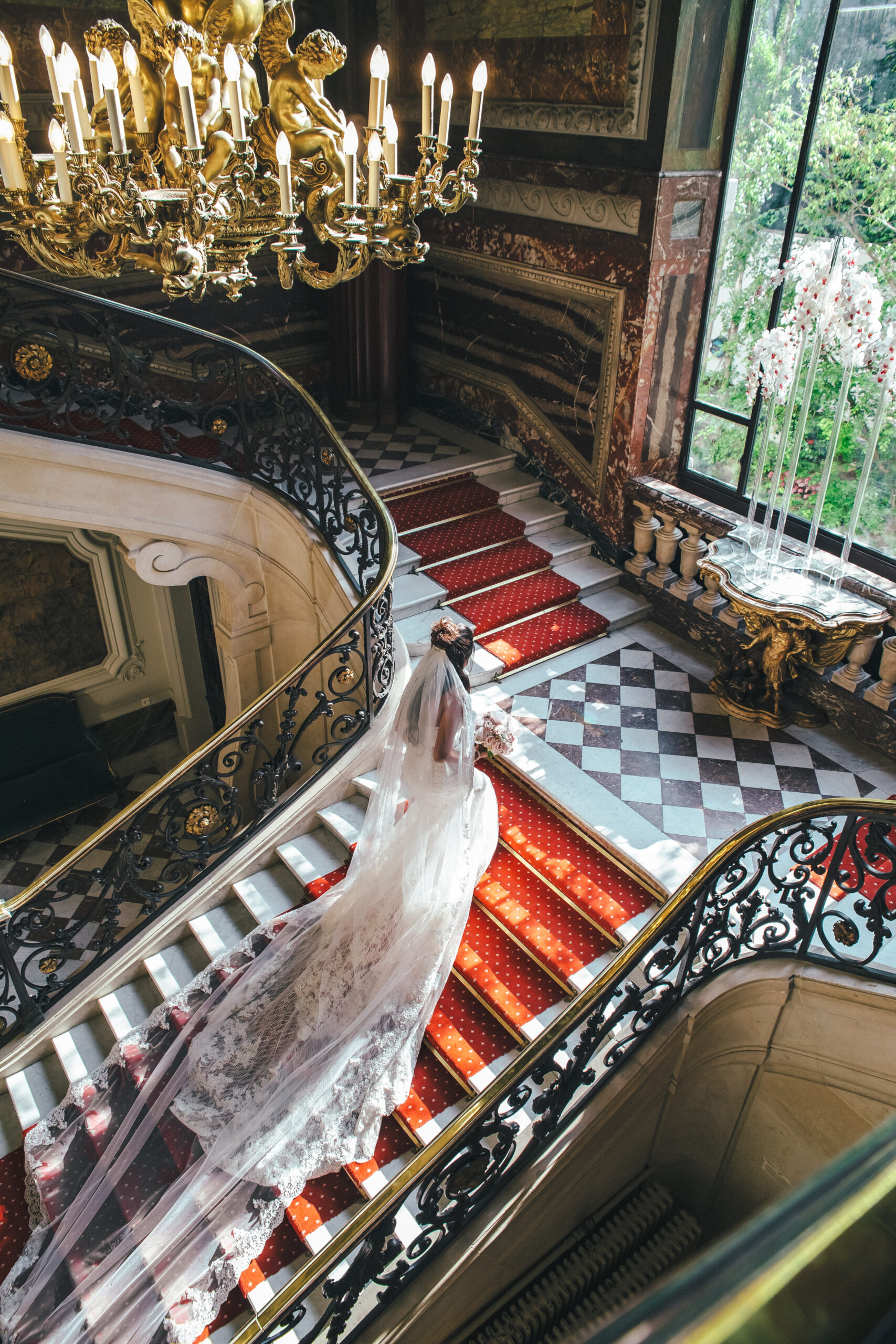
Begin with the experience and the budget
Before choosing flowers or a venue, agree on your approximate guest count, total budget and priorities. Decide whether you want one main event or a wedding weekend with a welcome dinner and brunch. These choices affect accommodation, staffing, catering and the amount of coordination involved.
Choose a region that suits your guests
Think about the journey from the airport or train station to the venue, as well as the setting. Paris can suit a city celebration; a château or country estate may offer a different rhythm for a longer stay. Provence and the Riviera bring other landscapes and travel considerations.
Our guide to where to get married in France compares the main settings. For a city event, continue with planning a destination wedding in Paris. Explore Le Cercle des Lieux for additional venue inspiration.
Check the full venue arrangements
Request a written breakdown of the spaces, bedrooms, furniture and services included. Confirm the indoor alternative, supplier access times, music restrictions and clearing requirements. A venue that looks ideal in photographs may need additional equipment or accommodation to suit your plans.
Compare quotations on the same basis
Include catering, drinks, furniture, technical equipment, décor, photography, entertainment, travel and planning support where relevant. Clarify taxes, service hours and possible additional charges with each supplier. Keep a record of payment dates and the person responsible for each booking.
For a starting point, see Wedding in France’s wedding budget guide. Your own estimate should reflect your guest count, season and chosen service level.
Plan the wedding weekend as one experience
Give guests enough information to arrange their trip, while leaving room to enjoy the destination. Consider accommodation, dietary requirements, accessibility and travel between events. Establish a weather alternative and a shared schedule for the suppliers involved.
Work with a local wedding planner
Inga Heusele, founder of CTH Events Paris, has planned celebrations in France since 2012. Her work includes full planning, design and wedding-day coordination for international couples. Discover CTH Events Paris destination wedding services and learn how to choose a planner who fits your project.
Your first planning conversation
Prepare your dates or season, guest estimate, budget range and the kind of atmosphere you want. Share your wedding project or read more about the experience of celebrating in France.
Plan the sequence of decisions before the decorative details
A destination wedding brings together decisions that affect one another. The guest estimate influences the venue, accommodation and catering; the venue affects supplier access and design; the number of hosted events affects staffing and the total budget. A useful planning process makes those connections visible before individual bookings become difficult to change.
Begin with a shared brief that both partners can recognise. Record your preferred season, approximate guest count, total budget and three main priorities. Add the elements you would like if the budget allows, but keep them separate from the requirements that define your celebration.
A practical decision map
| Planning stage | Decisions to make | Useful output |
|---|---|---|
| Define the celebration | Guest estimate, budget, region and hosted events | A brief that can be shared consistently |
| Assess venues | Capacity, accommodation, indoor alternative and inclusions | A shortlist based on the whole experience |
| Build the supplier team | Services needed, responsibilities and quotations | A record of confirmed bookings and open decisions |
| Refine the design | Layout, flowers, lighting, furniture and guest flow | A coherent plan suited to the venue |
| Prepare delivery | Schedule, contacts, access and alternatives | A current working document for the event team |
Compare regions through your wedding format
Rather than choosing a region only for its image, imagine the stay you want to create. A city wedding may suit a couple who want guests to choose their own restaurants and activities between hosted events. A country estate may suit a celebration centred on time together at one property. Neither approach is automatically simpler: accommodation, access and event arrangements still need to be checked.
If you are drawn to a particular landscape, discuss how it will feature in the celebration and what the indoor experience would be. Your wedding should remain enjoyable if one outdoor moment changes. Keep the overall atmosphere in mind while comparing the practical conditions.
Manage international planning without losing track
Agree where current information will be kept and how decisions will be confirmed. Email threads, image folders and supplier documents can become difficult to follow when several people are involved. A short decision record should identify what is confirmed, what is pending, who is responsible and the next action.
When comparing quotations, ask suppliers to explain the service in a way you can understand. Record the hours, equipment, team and installation included, as well as items that require a separate arrangement. If a quotation changes, identify the current version so the working budget remains meaningful.
Design for the guest experience as well as the photograph
Flowers, table styling and lighting create an atmosphere, but the guest experience also depends on the room layout, places to sit, meal timing and clear information. Check how guests will move through each setting and whether people who need a quieter space or easier access can be accommodated.
Discuss personal traditions early. A reading, family ritual, particular meal or sequence of speeches can affect the programme and supplier preparation. Give each element a clear purpose and enough time, rather than trying to insert it into the schedule at the end.
Prepare alternatives while there is time to choose
List the parts of your celebration that depend on weather, access or a particular room. For each, identify an alternative and the person who will communicate any change. Share the implications with the suppliers concerned: moving the ceremony may also change flowers, furniture, sound and guest guidance.
A practical alternative does not need to reproduce every detail of the first plan. It should preserve the central experience and work within the venue arrangements. Decide which elements matter most so the event team understands your priorities.
Destination weddings in France: frequently asked questions
Do we need to choose a region before contacting a planner?
No. Share the settings you are considering, how you want to spend time with guests and the travel constraints that matter to you. A planning discussion can help narrow the brief before you focus on individual properties.
Is a château wedding always a multi-day event?
No. The format depends on the property’s booking arrangements and your own plans. Confirm the access period, accommodation and number of events you want rather than assuming they are part of the venue hire.
Can we plan from abroad?
A clear communication process, current documents and a local team help make remote decisions more manageable. Discuss how visits, supplier meetings and approvals will work within the service you choose.
How do we avoid a programme that feels too busy?
Begin with the main wedding day and add only the surrounding events you value. Leave guests time to arrive, rest and enjoy the destination. A longer stay does not require continuous organised activities.